India
Labour trouble singes onion farmers in Maharashtra
Farmers face labour shortage as they are transplanting the important rabi crop.

The present season would be the first time in many years that Sandip Lahoti (43) has decided to reduce his onion acreage from the normal 3 acres to just 1 acre. This farmer, from the village of Songiri in Sinnar taluka of Nashik district, said he was forced to reduce his rabi onion acreage because of steep rise in labour cost and low realisation from the crop. “Last year labour charges for transplantation was Rs 300 per day - but this year labour charges have increased to Rs 500 per day. I simply do not have the funds,” said Lahoti who takes crops like wheat and maize over 2 of his total 5 acres holding.
Onion farmers across Maharashtra are facing an unprecedented labour shortage right at the time when they are transplanting the all important rabi onion. This onion, which is sown between December to January and harvested post March, is the largest of the three crops of onions accounting on an average for over 7 lakh hectares on an average in the state. This crop is important as it feeds the market between March to October when no other crops would be available. Due to the lower moisture content, the bulb is amenable to storage and farmers store them in on field structures called Kanda Chawls. Post harvest, farmers liquidate their stocks in regular intervals. Across the country around rabi onion acreage ranges between 9-10 lakh hectares. In the present year Maharashtra has seen 2.70 lakh hectares of rabi onion transplantation.
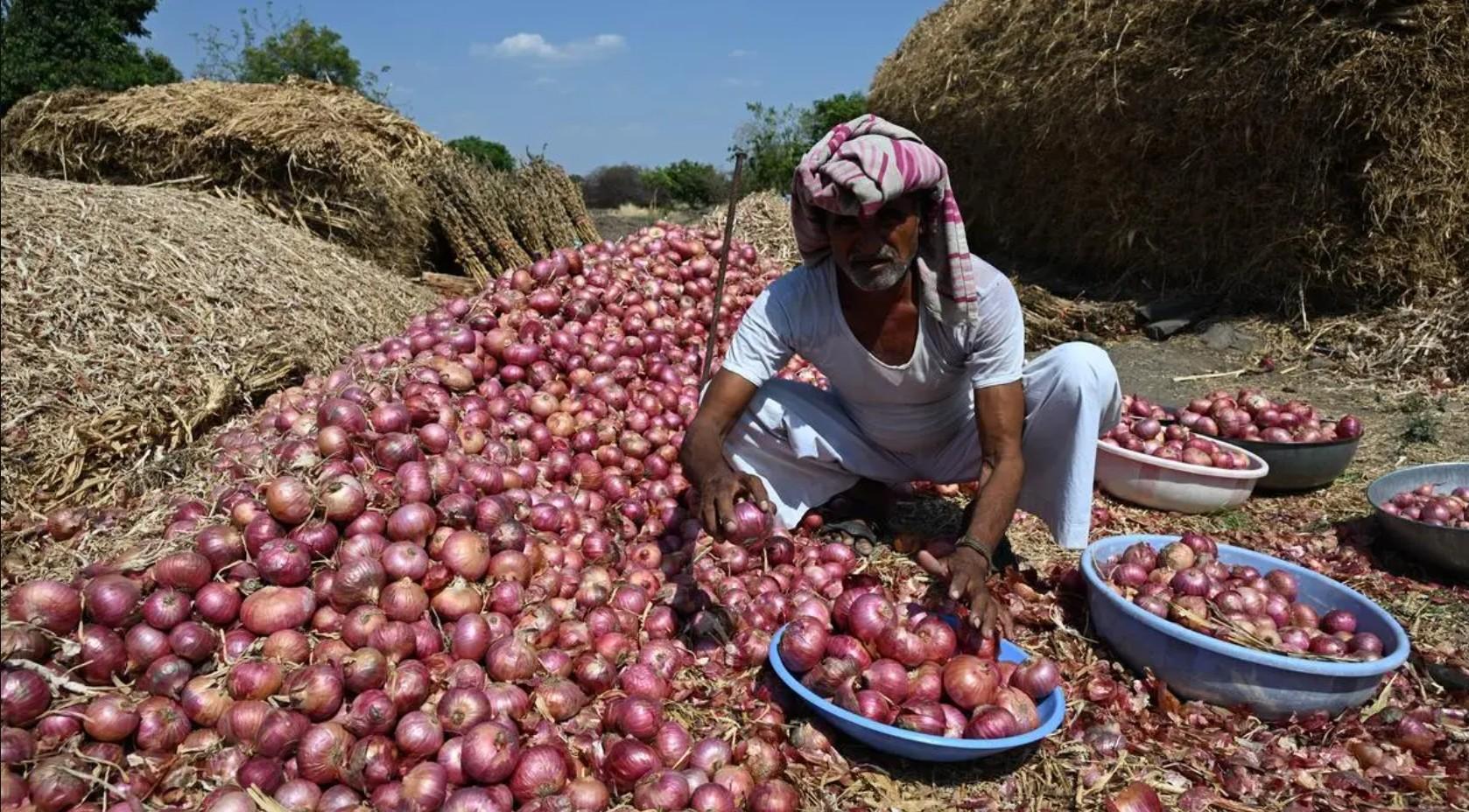
Photo: Jothi Ramlingam B/Frontline
Farmers like Lahoti germinate their onion seeds in raised nursery beds and then transplant them manually in the fields. To complete transplantation over an acre of land it requires around 10- 12 people to complete the work in an day’s time. Eknath Sanap, a farmer from Naigoan in Sinnar taluka said earlier they used to get local labour to finish the work, but that over the last two years labour has become difficult to arrange.
“No one wants to work in the fields any more-those who can migrate to urban areas and those who are left behind demand more payment - something which we can’t afford any more,” he said.
Traditionally, Santosh Gorade used to rely on the migratory labour from Konkan for transplantation of his onion crop. But this year this farmer form the village of Takli Vinchur in Niphad taluka of the district is at a loss to garner labour for transplantation over his 4 acres of holding.
“The cost of labour has skyrocketed, at present the labour cost just for transplanting is around Rs 10,000-12,000 per acre. My balance sheet is completely in the red,” he said. Instead of labour from Konkan, Gorade said they have to rely on labour from Madhya Pradesh or from Nandurbar district for the work.
One of the reasons why the sudden drop in labour availability farmers say is the Ladki Behen Yogna which has resulted in women laborers dropping out of the market. “If a woman is getting Rs 1,500 per month, they feel they need not work. While the amount is not much, they feel this income is enough for them,” said Gorade.
Most agriculture labour families he said would have atleast one eligible member. “We do welcome help from the government but there has to be a solution to the problem of agriculture labour,” he said.